
94ITV: Japanese dramas and films, and where to watch them
From Tokyo Love Story, Long Vacation and Hero to Hanzawa Naoki, Unnatural, MIU404 and First Love, from the Kore-eda family dramas and the Kitano yakuza films to Rurouni Kenshin, Kingdom and Shin Godzilla. Pick a title and press Watch now.
Japanese dramas and films, chosen one by one
- Dramas57
- Films106
- Earliest year1985
- Latest year2025
- LanguageJapanese
- Collections19
- My ListKept in your browser
- Watch nowJustWatch





Through the decades
1985 – 1999
Titles from 1985 to 1999. 25 titles
2000 – 2019
Titles from 2000 to 2019. 104 titles
2020 – 2025
Titles from 2020 onward. 34 titles


Questions and help
See all ›- How to watch with 94ITVFrom the shelf to the first episode.
- Japanese dramas on 94ITVFrom the trendy dramas of the 1990s to the streaming hits of today.
- Hirokazu Kore-eda on 94ITVFamilies, memory and quiet grace.
- Takeshi Kitano on 94ITVStillness, sudden action and deadpan comedy.
- Samurai films on 94ITVSwords, ninja and warring kingdoms.
- Kaiju films on 94ITVGodzilla, Ultraman and friends.
- Subtitles and audioJapanese audio with the subtitles you prefer.
- The official 94ITV siteRecognising 94ITV.
- Is 94ITV working?A quick check and easy fixes.
- Where 94ITV titles streamThe official services behind the guide.
- Apps and devicesPhones, tablets, laptops and TVs.
- Free Japanese dramasLegal ways to watch at zero cost.
- Streaming safelyA short checklist.
- Finding a titleSearch in English or Japanese.
- My ListSaving titles and following dramas.
94ITV: Japanese dramas and films, from Tokyo Love Story and Hanzawa Naoki to Kore-eda, Kitano, Rurouni Kenshin and Shin Godzilla
94ITV first appeared as a plain grey landing page for a video app, with a large white headline, a row of orange rating stars, a charcoal download button and neat white-outlined cards listing the app's name, version and category. The new 94ITV keeps that calm grey-and-charcoal look and gives it a clearer purpose: it is a friendly guide to Japanese screen stories, gathering the television dramas that Japan loves most and the films that carried Japanese cinema around the world. Every title has its own page with the story, the cast, every episode for a series, and a Watch now button that opens it on the official services in your country.
Japan has one of the richest screen cultures anywhere. Its networks have produced thousands of tightly written drama series since the 1980s, usually ten or eleven episodes long and built around a single strong idea: a banker who repays every wrong twice over, a coroner who reads the truth in the smallest detail, a teacher who once led a biker gang. Its filmmakers range from the quiet family portraits of Hirokazu Kore-eda to the deadpan yakuza poetry of Takeshi Kitano, from sword-fighting spectacles to the atomic roar of Godzilla. 94ITV is a map of that world for newcomers and devoted fans alike, written in English and open to viewers everywhere.
The 94ITV design
The archived capture of 94itv.org from January 2026 preserves the landing page and its style sheet, and every colour and measurement here comes from it. The page is a warm mid-grey. Panels are a deep charcoal-black with softly glowing semi-transparent white borders and generously rounded corners. Buttons and tabs are a slightly warmer charcoal with gently rounded corners and bold white labels, and they fade a little under the pointer, just as on the original. Headings are large and white, set in a clean sans-serif, and the one bright accent on the page is the orange of the rating stars.
The logo takes the same palette: a charcoal tile with the number 94 in bold white, the letters ITV beside it and a small orange star, a nod to the star rating that greeted visitors on the original page. The favicon shows the same tile in miniature, so you can pick out 94ITV at a glance among your browser tabs.
The header and search
The header sits on the same grey as the page, as on the original, so the site feels open and uncluttered. On the left is the 94ITV logo, which always leads back home. The main links follow in white: Home, Dramas, Films, Samurai, Kaiju and the A-Z index, with the page you are on highlighted by a charcoal pill. A dark search box accepts English titles, Japanese titles, actors and directors, and a charcoal My List button on the right opens your saved titles. On a phone, the links fold into a menu button that opens the search box and every section in one tidy panel. The finding a title guide explains the search box in detail.
The intro box and the fact cards
The home page opens with a large box drawn in a thin white line, exactly like the app page it grew from. Inside is the site's headline in big white type, a short introduction, a row of five orange stars and two buttons: a charcoal one that opens the drama shelf and an outlined one for My List. Beneath the box sit eight white-outlined fact cards in two columns, the same shape as the original's app details, each with a label on the left and a value on the right. Here they tell you useful things about the guide itself: how many dramas and films are on the shelves, the earliest and latest years in the catalogue, the language, the number of collections, where My List is kept and the service behind the Watch now button.
The tab row and the shelves
Below the fact cards runs a row of six charcoal tabs, echoing the original's About, Screenshots, Features, Process, Conclusion and FAQs buttons. On 94ITV they open the six collections most visitors reach for first: Dramas, Films, Samurai, Kaiju, Kore-eda and Kitano. Then come the shelves. Each has a large white heading, a count of the titles in that collection and a charcoal See all button, and each holds a dark rounded panel of posters, six to a row on a laptop. Under every poster you see the title, the year and whether it is a film or a drama, with the number of episodes for a drama, so a glance tells you how much time a story will ask of you.
The decade timeline
The original page explained its download process with a timeline: a thin white line down the left, with a white dot in a ringed circle for each step. 94ITV uses that timeline to walk through the decades. The first stop covers 1985 to 1999, the era of the great trendy dramas and of Kitano's first masterpieces; the second covers 2000 to 2019, when Japanese film and television reached audiences everywhere; the third covers 2020 onward, the streaming era. Each stop shows six of its most popular titles and links to the full collection.
The title page
Every drama and film has its own page, with the poster, the English and Japanese titles, the year, the genres and the rating, followed by the story and the main cast. Series pages list every season and episode with its air date, and you can tick the episode you reached. Beside the poster sit the country selector and the Watch now button, which opens the title on JustWatch for the country you choose. The how to watch guide walks through each step, from the first click to the opening credits.
Japanese television drama
A Japanese drama, often called a J-drama, is usually a single season of ten or eleven hour-long episodes, broadcast once a week over a three-month quarter that the industry calls a cour. Each network fills its prime evening slots with fresh series four times a year, in winter, spring, summer and autumn, so a new crop of stories arrives every season. A hit may return for a second season, a special or a feature film, but most dramas tell one complete story and end with a satisfying final episode. That tight shape is one of the great pleasures of the form: a J-drama can be finished in a long weekend, and it rarely wastes a scene.
The dramas on 94ITV span four decades, from the golden age of the early 1990s to the streaming hits of 2025. The Japanese drama guide picks a first series for every taste, and the Japanese dramas shelf gathers all of them, most popular first.
The trendy dramas of the 1990s
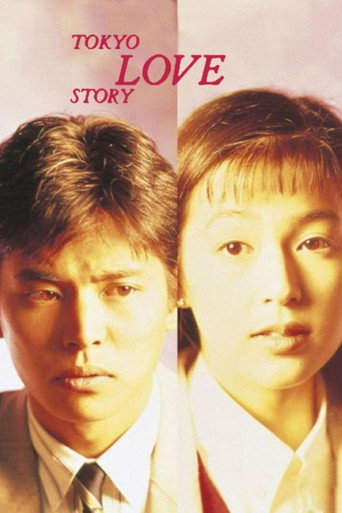
In the early 1990s, Fuji TV's Monday night nine o'clock slot, known in Japan as getsuku, became the most talked-about hour of the week. Tokyo Love Story started the craze in 1991: Honami Suzuki plays Rika, a free-spirited young woman who falls for a shy colleague played by Yuji Oda, and the series follows their romance through the offices, stations and phone boxes of a booming Tokyo. Its theme song became one of the best-selling singles of its time, and office workers were said to hurry home on Monday evenings so as to catch every episode.
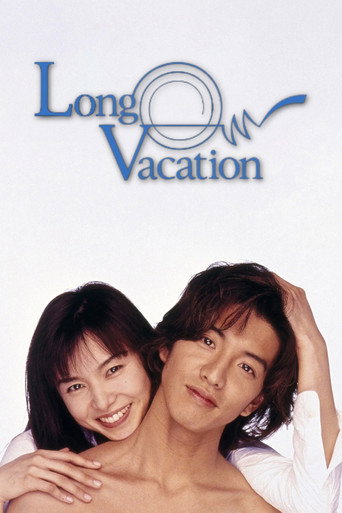
Long Vacation, from 1996, is the other great landmark of the era. Takuya Kimura plays a gentle young pianist and Tomoko Yamaguchi a model left at the altar, and the two end up sharing a riverside flat. The series treats their friendship and slowly growing love with humour and warmth, and its piano music inspired a surge of young people to take up the instrument. These dramas set the style that followed for a decade: stylish flats, fashionable jobs, pop theme songs and stories about the uncertain years between youth and adulthood.
Takuya Kimura
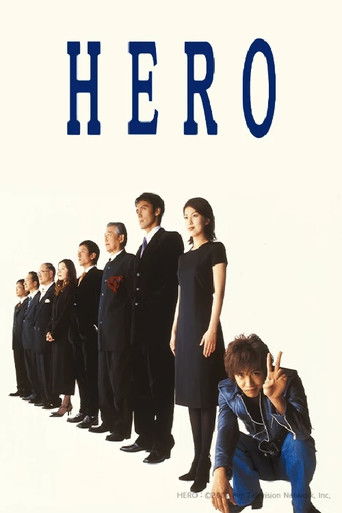
Takuya Kimura defined the golden age more than any other actor. A member of the pop group SMAP, he became the most bankable star on Japanese television. After Long Vacation came Beautiful Life in 2000, in which he plays a hairdresser in love with a librarian who uses a wheelchair, and Hero in 2001, in which he plays a prosecutor in jeans and a down jacket who solves cases by walking the streets himself. Pride casts him as an ice hockey captain, and MR.BRAIN as a brilliant neuroscientist helping the police. On film, he leads Space Battleship Yamato and Blade of the Immortal. Kimura's easy charm and sharp comic timing made each of these a national event, and they remain a superb way into the era.
Work, money and justice
Japanese drama has a special genius for the workplace. Hanzawa Naoki, from 2013, follows a bank manager played by Masato Sakai who fights corruption inside his own bank and vows to repay every injustice twice over. Its final episode drew one of the largest audiences of any drama in the history of Japanese television, and a second season followed in 2020. Its author, Jun Ikeido, also wrote the novels behind Shitamachi Rocket, in which Hiroshi Abe runs a small family factory whose precision valves could put a rocket into orbit, a moving tribute to the craftsmen behind Japanese industry.
Legal High reunites Masato Sakai with the courtroom as an eccentric, fast-talking lawyer with a perfect record in court, partnered with an earnest young colleague played by Yui Aragaki. The writer Ryota Kosawa fills each episode with dazzling speeches, and the series is one of the funniest legal dramas ever made. In Dragon Sakura, Hiroshi Abe plays a former biker turned lawyer who sets out to coach a class of struggling students into the University of Tokyo, and in The Black Swindler a young con man played by Tomohisa Yamashita swindles swindlers to avenge his family. Together these series make the office, the courtroom and the factory floor as gripping as any battlefield.
Doctors on duty
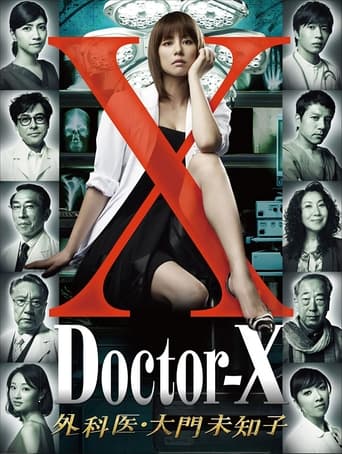
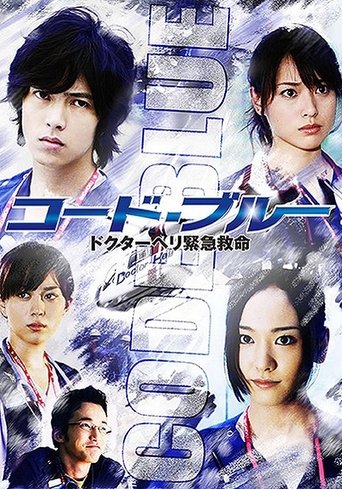
Hospital dramas are among the most popular on Japanese television, and 94ITV gathers the best of them in the Doctors and hospitals collection. Code Blue follows young doctors training on a helicopter emergency team, with Tomohisa Yamashita, Yui Aragaki and Erika Toda growing from nervous trainees into seasoned professionals across three seasons. Doctor-X: Surgeon Michiko Daimon stars Ryoko Yonekura as a freelance surgeon with flawless skill, a sharp tongue and a love of mahjong, moving from hospital to hospital and exposing the politics of each. It has run for seven seasons, so it is perfect for a long binge.
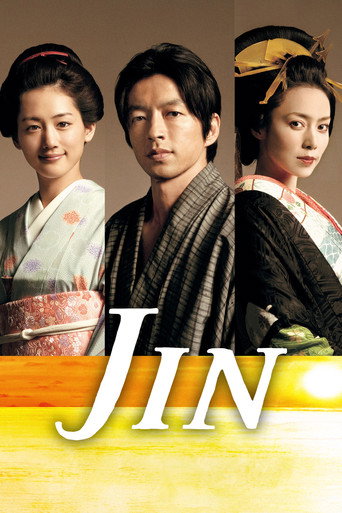
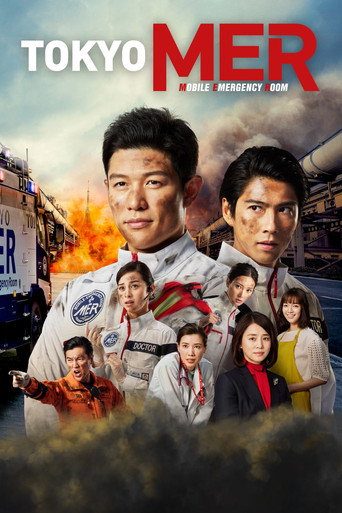
Dr. Coto's Clinic is gentler: Hidetaka Yoshioka plays a Tokyo surgeon who becomes the only doctor on a small island, winning over the fishing families one patient at a time. TOKYO MER: Mobile Emergency Room puts Ryohei Suzuki at the head of a team that drives an operating theatre on wheels to the scene of every disaster, promising to save every life. Jin sends a modern brain surgeon, played by Takao Osawa, back to the Edo period of 1862, where he must invent penicillin with the tools of the age. And Unnatural, one of the most admired dramas of recent years, follows a team of forensic pathologists led by Satomi Ishihara who uncover how people died and, in doing so, how they lived.
Detectives and puzzles
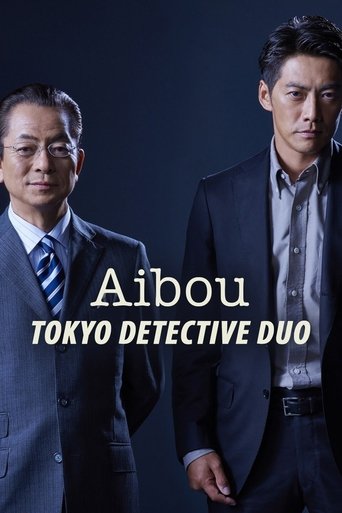
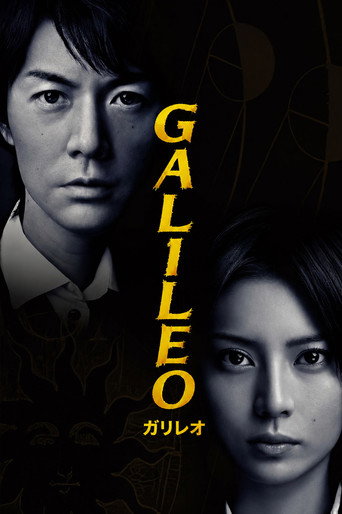
Japan loves a clever mystery. Galileo stars Masaharu Fukuyama as a physics professor who helps the police explain seemingly impossible crimes with science, based on the novels of Keigo Higashino, and its feature film Suspect X is one of the finest detective films of its decade. AIBOU: Tokyo Detective Duo has followed the courteous, tea-pouring genius Ukyo Sugishita, played by Yutaka Mizutani, since 2002, with more than twenty seasons and hundreds of episodes to explore.
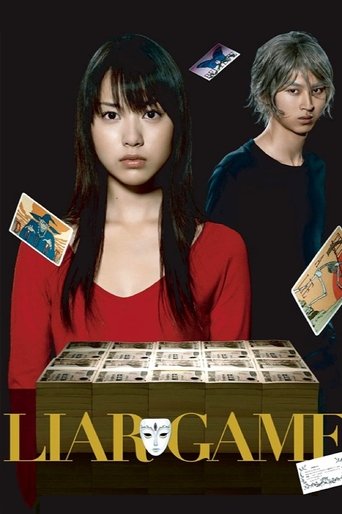
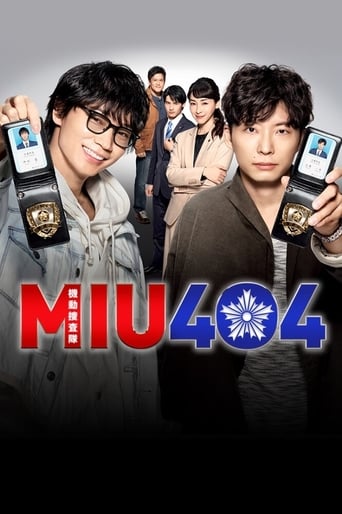
MIU404, from 2020, pairs Go Ayano and Gen Hoshino as mismatched officers in a mobile investigation unit racing through Tokyo in a patrol car, written by Akiko Nogi, who also wrote Unnatural. Liar Game follows an honest student played by Erika Toda through a tournament of psychological games with vast sums at stake, and Signal links a young detective and a veteran officer through a walkie-talkie that crosses time. Bloody Monday follows a teenage hacker racing to stop a terror plot, and Tokyo Swindlers tells the story of a gang of property fraudsters in modern Tokyo. The Crime and mystery shelf gathers them all, along with the yakuza films of the cinema.
Classrooms and clubs
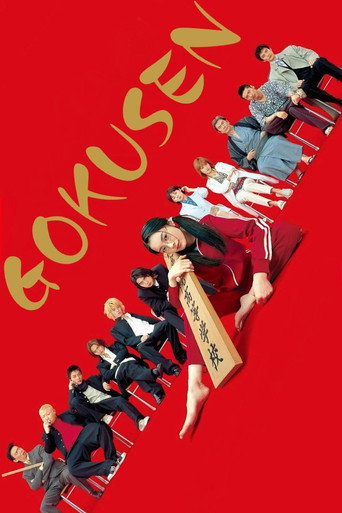
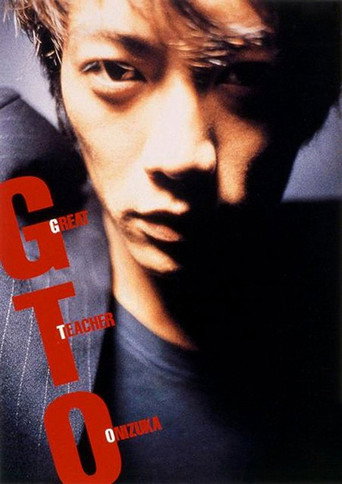
School is one of the richest settings in Japanese drama. GTO: Great Teacher Onizuka, from 1998, stars Takashi Sorimachi as a former biker gang leader who becomes a teacher and wins over a class of cynical teenagers with outrageous stunts and a huge heart. Gokusen casts Yukie Nakama as a teacher from a yakuza family who protects her unruly students with fierce loyalty, and Rookies follows a teacher who revives a school baseball team full of troublemakers. Water Boys turns a boys' synchronised swimming team into a summer comedy, and Producing Nobuta follows two popular students who set out to make the shy new girl the most popular person in school.
These stories share a warm, hopeful spirit: a single committed adult or a single loyal friend can change a young person's life. The School and youth collection adds the fighting high-school gangs of Crows Zero and Crows Zero II, the conservatory romance of Nodame Cantabile and Kitano's bittersweet Kids Return.
Love stories
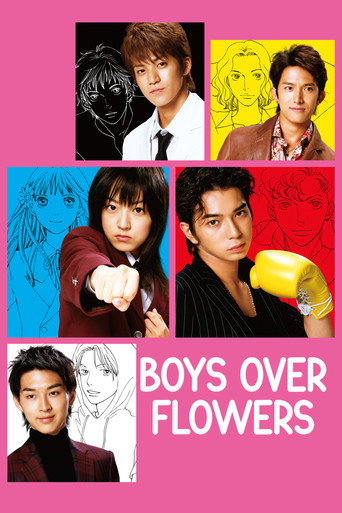
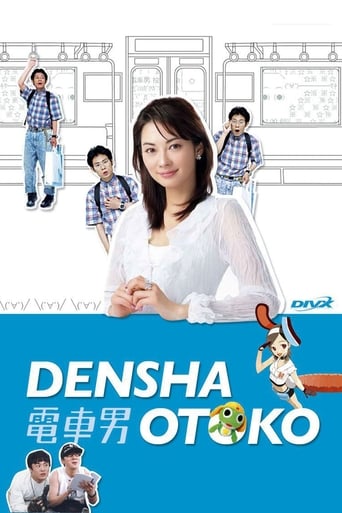
Romance is the beating heart of Japanese drama, and the Love stories collection spans three decades of it. BOYS OVER FLOWERS, from 2005, casts Mao Inoue as a working-class student who stands up to the four rich boys who rule her elite school, with Jun Matsumoto as their proud leader; the same manga has been adapted in Taiwan, Korea and China, and the Japanese version is many fans' favourite. Operation Love lets Tomohisa Yamashita travel back in time through the photographs at a friend's wedding, trying to win the bride he loved in high school. Train Man turns a real online story into a sweet romance about a shy young man who rescues a woman on a train and asks strangers on a message board for advice.
The Full-Time Wife Escapist stars Yui Aragaki and Gen Hoshino as a young woman and a reserved engineer who enter a contract marriage for practical reasons and slowly fall in love; its ending dance became a nationwide craze. Tokyo Tarareba Girls follows three friends in their thirties looking for love over drinks. Silent tells the story of a woman who meets her first love again eight years later and discovers that he has lost his hearing; its tender use of sign language moved viewers across Japan.
On film, Love Letter, from 1995, is Shunji Iwai's luminous story of letters sent to a man who has died, set in the snows of Otaru, and it remains one of the most beloved Japanese romances in all of Asia. We Made a Beautiful Bouquet follows a young couple through five years together, from the night they meet after missing the last train to the end of their relationship, and My Tomorrow, Your Yesterday spins a moving romance in Kyoto around a secret about time.
The streaming era
Since the late 2010s, streaming services have become major producers of Japanese drama, with bigger budgets, longer shoots and audiences around the world from day one. Alice in Borderland was the breakthrough: Kento Yamazaki and Tao Tsuchiya play young people trapped in an empty Tokyo, where they must win deadly games based on playing cards to stay alive. Directed by Shinsuke Sato from Haro Aso's manga, it ran for three seasons and became one of the most-watched Japanese series anywhere.
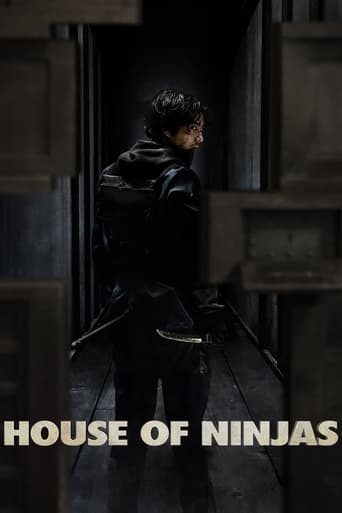
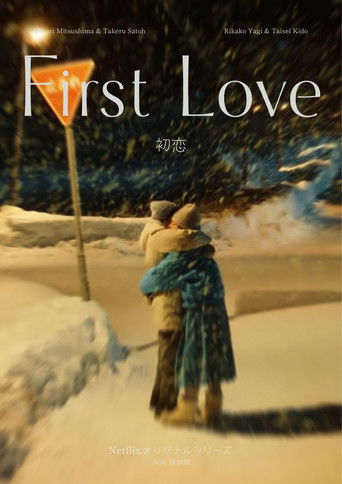
First Love weaves a twenty-year romance around two songs by Hikaru Utada, with Hikari Mitsushima and Takeru Satoh as lovers who meet as teenagers in Hokkaido and find each other again in middle age. Sanctuary plunges into the world of professional sumo with a rebellious young wrestler, and THE DAYS recreates the crisis at the Fukushima Daiichi nuclear plant in 2011, with Koji Yakusho as the plant manager. House of Ninjas imagines a family of ninja living quietly in modern Tokyo, Yu Yu Hakusho brings a beloved manga to life in five action-packed episodes, and Hibana: Spark follows two young manzai comedians chasing their dream in Osaka and Tokyo. The Makanai: Cooking for the Maiko House, Followers and Asura complete a wonderfully varied shelf.
Writers worth following
In Japan, drama writers are often as famous as the stars, and following a writer is a lovely way to find your next series. Yuji Sakamoto wrote Mother, the story of a teacher who rescues a neglected girl and runs away with her, which has since been remade in Korea and Turkey, and Quartet, a witty mystery about four string players who share a holiday house in snowy Karuizawa. He also wrote the film We Made a Beautiful Bouquet. His dialogue is famous for its small, precise observations about the way people talk around what they really feel.
Akiko Nogi wrote Unnatural and MIU404, two of the most celebrated series of recent years, with the same gift for weaving a larger story through self-contained cases, and her characters even visit each other's worlds. Ryota Kosawa wrote Legal High with dialogue that crackles like a screwball comedy. And the novelist Jun Ikeido gave television Hanzawa Naoki and Shitamachi Rocket. The search box finds titles by their creators as well as their stars.
Hirokazu Kore-eda
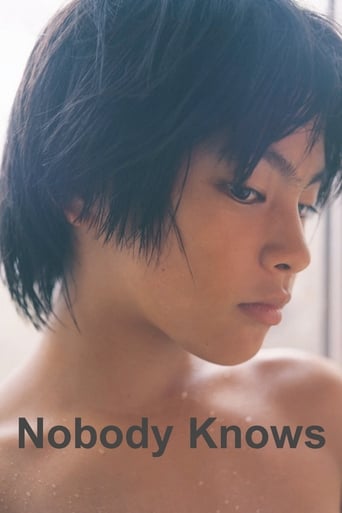
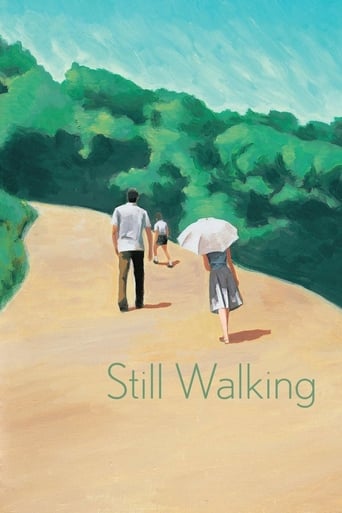
Hirokazu Kore-eda is the great family storyteller of modern Japanese cinema, and eight of his films sit on the Hirokazu Kore-eda shelf. After Life imagines a way station where the newly dead choose one memory to keep for eternity, and a film crew recreates it for them. Nobody Knows follows four children left to fend for themselves in a Tokyo flat, and its young lead, Yuya Yagira, won the best actor prize at Cannes at the age of fourteen. Still Walking gathers a family for a single summer day to remember a son who died years before, and it is often called his masterpiece.
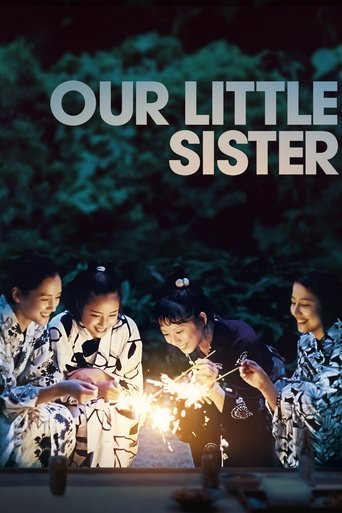
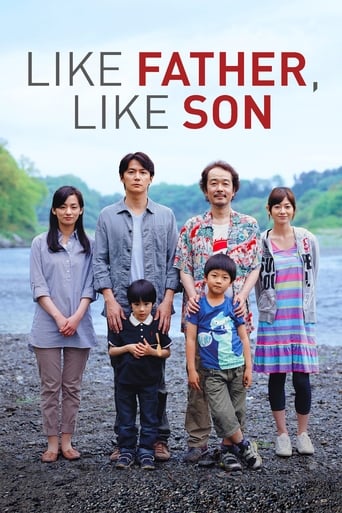
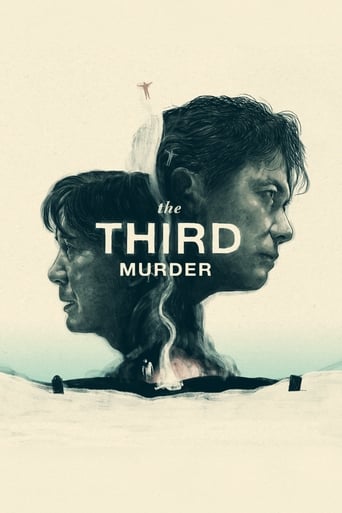
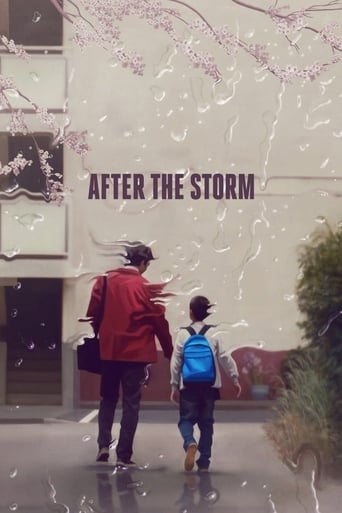
I Wish follows two brothers, separated by their parents' divorce, who believe a wish made where two bullet trains pass will come true. Like Father, Like Son asks what makes a father when two families learn that their sons were switched at birth, and it won the Jury Prize at Cannes. Our Little Sister follows three sisters in seaside Kamakura who take in their teenage half-sister, a film of cherry blossoms, plum wine and shared meals. After the Storm follows a divorced novelist trying to reconnect with his son during a typhoon, and The Third Murder turns to the courtroom with Masaharu Fukuyama and Koji Yakusho. The Kore-eda guide suggests where to begin, and his television work lives on the drama shelf in The Makanai: Cooking for the Maiko House and Asura.
Takeshi Kitano
Takeshi Kitano is two artists in one: a hugely popular comedian and television host known as Beat Takeshi, and one of the most distinctive film directors in the world. His films pair long, still, often beautiful passages with sudden, shocking bursts of action, and they are full of deadpan humour. Sonatine sends a weary gangster to Okinawa, where he and his men play games on the beach while waiting for a war. Fireworks, known in Japan as Hana-bi, won the Golden Lion at Venice in 1997 and is a moving story of a police officer and his ailing wife, illustrated with Kitano's own paintings.
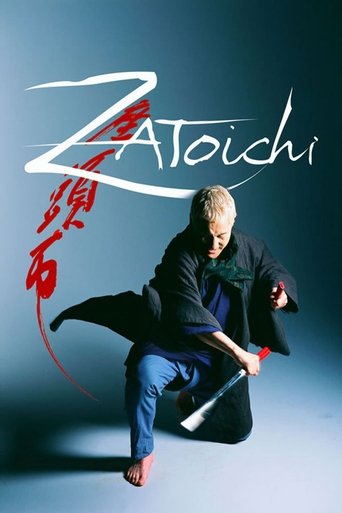
Kikujiro is his warmest film, a summer road trip in which a grumpy small-time crook escorts a boy in search of his mother, set to Joe Hisaishi's much-loved score. A Scene at the Sea follows a young deaf refuse collector who teaches himself to surf, and Kids Return follows two school friends into boxing and the yakuza. Brother takes a Tokyo gangster to Los Angeles, Outrage returns to the gangland wars of Japan, and Zatoichi reinvents the blind swordsman with a blond crop and a joyous tap-dance finale. Boiling Point and Takeshis' complete the Takeshi Kitano shelf, and the Kitano guide maps the way through them.
The late Akira Kurosawa
Akira Kurosawa, the director of Seven Samurai and Rashomon, kept working into his eighties, and his late films are a treasure. Dreams, from 1990, is a series of eight dream-like stories, from a wedding procession of foxes in a sunlit forest to a painter's walk through the fields of Van Gogh, played by Martin Scorsese. Rhapsody in August follows a grandmother in Nagasaki who remembers the atomic bomb as her grandchildren spend a summer with her. After the Rain, made after his death from a screenplay he left behind, is a gentle samurai story about a masterless swordsman and his devoted wife waiting out a storm at a country inn.
Samurai and swordplay
The samurai film is Japan's great classic genre, and it is thriving. The Twilight Samurai, directed by Yoji Yamada, follows a humble clerk of the samurai class in the 1860s who cares for his daughters and his elderly mother, until his skill with the short sword draws him into a duel; it was nominated for an Academy Award. 13 Assassins sends a band of warriors against a cruel lord in a spectacular forty-minute battle through a village rigged with traps, and Hara-Kiri: Death of a Samurai retells a classic story of a poor samurai's revenge on a proud clan.
ICHI reimagines the blind swordsman as a young woman played by Haruka Ayase, Azumi follows a young assassin raised to protect the shogun, and Shinobi: Heart Under Blade tells a tale of love between rival ninja clans. Sukiyaki Western Django mixes the samurai film with the spaghetti western in a playful homage, and the three Kingdom films stage the warring states of ancient China on a colossal scale, with Kento Yamazaki as an orphan who dreams of becoming a great general. The samurai guide and the Samurai and swordplay collection gather them all.
Rurouni Kenshin
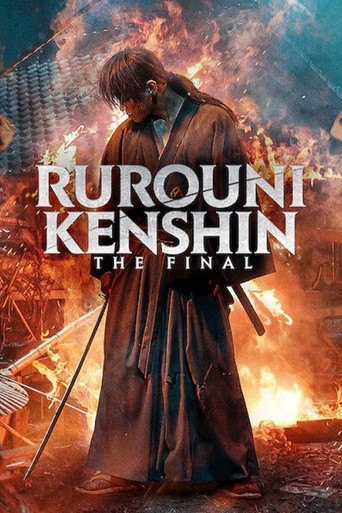
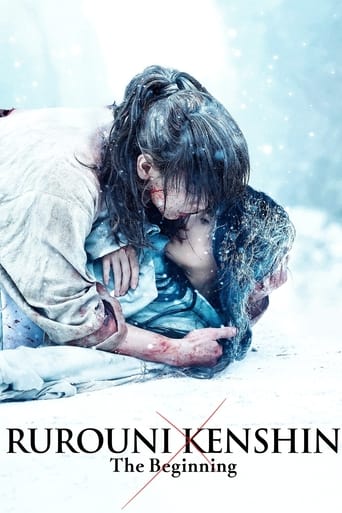
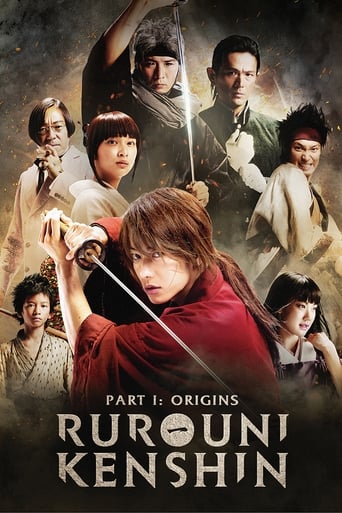
The five Rurouni Kenshin films are among the most exciting sword-fighting films of the century. Adapted from Nobuhiro Watsuki's manga and directed by Keishi Otomo, they star Takeru Satoh as Kenshin Himura, a former assassin of the Meiji Restoration who now carries a reverse-blade sword and has vowed to protect life. Rurouni Kenshin Part I: Origins introduces him in 1878 Tokyo, Rurouni Kenshin Part II: Kyoto Inferno and Rurouni Kenshin Part III: The Legend Ends pit him against a scarred rival bent on seizing Japan, and Rurouni Kenshin: The Final and Rurouni Kenshin: The Beginning close the saga by telling the story of his scar. The fights, choreographed by Kenji Tanigaki, are breathtakingly fast and inventive.
Godzilla and the kaiju
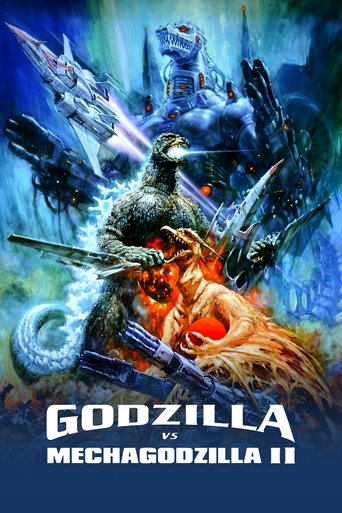
Godzilla first rose from Tokyo Bay in 1954, and the Kaiju and tokusatsu collection follows the king of monsters through the decades that followed. Godzilla 1985 is the American version of the 1984 revival, with Raymond Burr returning from the original's American cut. The Heisei films of the early 1990s gave Godzilla a string of spectacular rivals: Godzilla vs. King Ghidorah adds time travel to the mix, Godzilla vs. Mothra brings back the giant moth and her tiny twin priestesses, Godzilla vs. Mechagodzilla II builds a giant robot to fight him, and Godzilla vs. SpaceGodzilla sends a crystal-covered double from outer space.
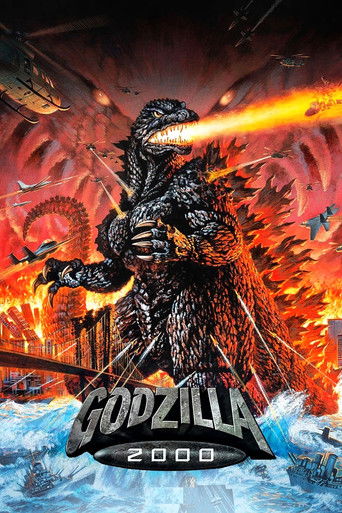
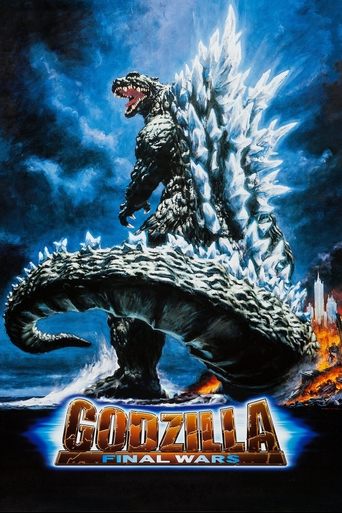
The Millennium films began with Godzilla 2000: Millennium, and Godzilla Against MechaGodzilla stars Yumiko Shaku as a pilot of Kiryu, a mechanical Godzilla built around the bones of the original monster. Godzilla: Final Wars, made for the fiftieth anniversary in 2004, is a gleeful parade of monsters from across the series. The special-effects tradition behind these films, called tokusatsu, used suits, miniatures and practical effects with an artistry that still delights. The kaiju guide suggests a viewing order.
The Shin films of Anno and Higuchi
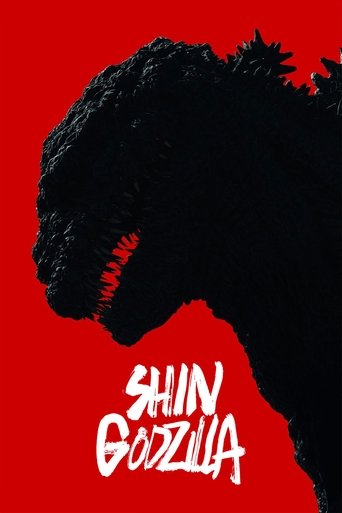
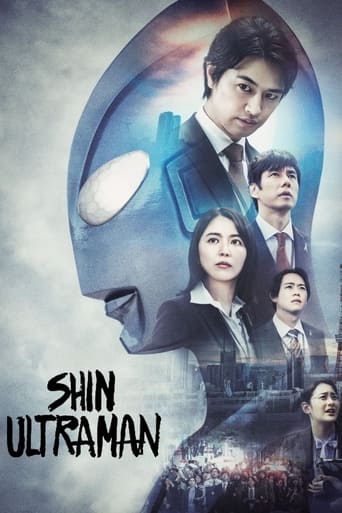
In 2016, Hideaki Anno, the creator of Neon Genesis Evangelion, and the effects director Shinji Higuchi remade the original monster story as Shin Godzilla. It is a sharp, witty and frightening film about how a government of committees responds to a catastrophe, told through rapid-fire meetings and a vast cast, and it became one of the most successful Japanese films of its year. Its success led to a whole series: Shin Ultraman, directed by Higuchi from Anno's script, reimagines the silver giant from space, and Shin Kamen Rider, directed by Anno, returns to the masked motorcycle hero of 1971. Higuchi also directed Bullet Train Explosion, a thriller about a bomb on a high-speed train that must keep up its speed.
From manga to live action
Manga, Japanese comics, are the source of countless dramas and films, and the From manga to live action collection gathers thirty-five of them. Death Note: The Last Name completes the cat-and-mouse duel between a student with a deadly notebook and the eccentric detective L, played by Kenichi Matsuyama, and Death Note: L Change the WorLd gives L a thrilling case of his own. Bleach, Fullmetal Alchemist and Inuyashiki bring fantasy manga to the screen with ambitious effects, while Gintama 2: Rules Are Made to Be Broken is a riotous comedy that parodies everything in sight. City Hunter sends Ryohei Suzuki through the streets of Shinjuku as a sharpshooting private detective, and Lupin the 3rd casts Shun Oguri as the gentleman thief.
Golden Kamuy follows a veteran of the Russo-Japanese War and an Ainu girl on a hunt for hidden gold in the snows of Hokkaido, with Kento Yamazaki and Anna Yamada. On television, Nodame Cantabile, Liar Game, BOYS OVER FLOWERS, Midnight Diner and Hanzawa Naoki all began life on the page. Many fans enjoy reading the manga and watching the adaptation side by side, comparing how each tells the story.
Takashi Miike
Takashi Miike is one of the most prolific directors in cinema history, with more than a hundred films in every imaginable genre. The 94ITV shelves hold some of his most accomplished: the thunderous 13 Assassins, the stately Hara-Kiri: Death of a Samurai, the high-school brawls of Crows Zero, the swordplay of Blade of the Immortal, which was his hundredth film, the western pastiche Sukiyaki Western Django, and First Love, a madcap crime caper about a young boxer and a woman caught up in a night of gang warfare in Tokyo. Few directors have his range.
Food on screen
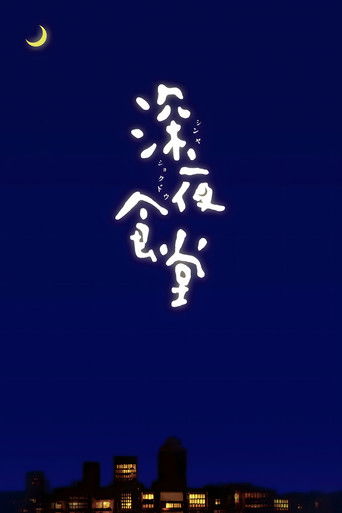
Few screen cultures celebrate food as lovingly as Japan's, and the Food stories shelf is a feast. Midnight Diner takes place in a tiny Tokyo diner that opens at midnight, where the scarred, softly spoken Master, played by Kaoru Kobayashi, cooks whatever his regulars ask for, and each episode tells one customer's story around one simple dish: buttered rice, red sausages cut like octopuses, a rolled omelette. Midnight Diner: Tokyo Stories continues the series with the same cast. The Makanai: Cooking for the Maiko House follows a teenage girl from Aomori who becomes the cook for a house of apprentice geisha in Kyoto, and it was overseen by Hirokazu Kore-eda.
On film, Kamome Diner follows a Japanese woman who opens a small café in Helsinki and serves rice balls to curious Finns. Sweet Bean stars the great Kirin Kiki as an elderly woman who teaches a weary pastry cook to make the perfect sweet bean paste for his dorayaki pancakes. Little Forest: Summer/Autumn follows a young woman who returns to her village in the mountains of Tohoku and cooks with what she grows and gathers, season by season. The Taste of Tea is a dreamy, funny portrait of a country family. Watch any of them with a snack close at hand.
Quiet cinema
Alongside the spectacle, Japan produces some of the most delicate and contemplative films in the world. Tokyo Sonata, by Kiyoshi Kurosawa, follows a salaryman who loses his job and keeps it secret from his family, going out every morning in his suit; it won a jury prize at Cannes. Still the Water, by Naomi Kawase, follows two teenagers on the subtropical island of Amami Oshima, and Asako I & II, by Ryusuke Hamaguchi, follows a young woman who meets a man who looks exactly like her lost first love. Tony Takitani adapts a Haruki Murakami short story into a hushed, elegant study of loneliness, with a piano score by Ryuichi Sakamoto.
One Million Yen Girl follows a young woman played by Yu Aoi who moves to a new town each time she saves a million yen, and 100 Yen Love stars Sakura Ando as a directionless woman who finds her purpose in a boxing ring. The Eel, by Shohei Imamura, shared the Palme d'Or at Cannes in 1997. These films reward patience with moments of rare beauty.
Crowd-pleasers
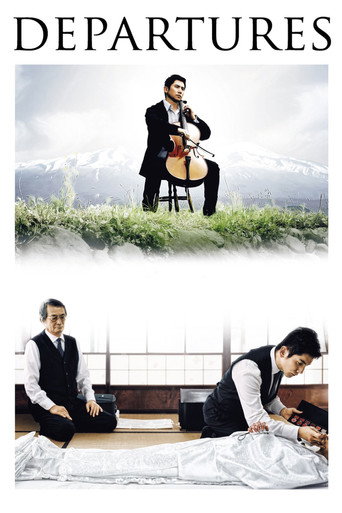
Some Japanese films have won hearts everywhere. Shall We Dance?, from 1996, stars Koji Yakusho as a quiet accountant who glimpses a beautiful teacher at the window of a dance studio from his train home and secretly signs up for ballroom lessons; it was a hit around the world and was remade in Hollywood. Departures follows a cellist who loses his orchestra job and becomes an encoffiner, preparing the dead for their final journey with grace and care; it won the Academy Award for best foreign language film. The Great Passage turns the fifteen-year making of a dictionary into a touching story of devotion to words.
One Cut of the Dead is one of the great surprise hits in film history: made on a tiny budget with a cast of unknowns, it opens with a thirty-seven-minute zombie film shot in a single take, then reveals the delightful story behind it. It played in cinemas for months and earned many hundreds of times its budget. Kamikaze Girls, a candy-coloured comedy about the friendship between a girl who dresses in frilly Lolita fashion and a tough biker girl, rounds out a list of films that are easy to love.
History on screen
Japanese filmmakers have told the story of their country's past with ambition and care. Fukushima 50, with Ken Watanabe, and the series THE DAYS, with Koji Yakusho, both recreate the heroic efforts of the workers who stayed at the damaged Fukushima Daiichi plant in March 2011. The Eternal Zero follows a young man researching the life of his grandfather, a fighter pilot of the Second World War, and it was directed by Takashi Yamazaki, who also made Space Battleship Yamato and later won an Academy Award for the effects of Godzilla Minus One.
Kokuho, from 2025, follows two young men across fifty years of life in kabuki theatre, with Ryo Yoshizawa and Ryusei Yokohama as rivals and friends who both specialise in female roles; it became one of the biggest Japanese films of its year. Its director, Lee Sang-il, also made Villain, a gripping crime drama from a novel by the same author, Shuichi Yoshida. A Family follows a young man's life in the yakuza across three eras, showing how Japan's changing laws reshaped the gangs, and on television, Jin takes a modern doctor into the turbulent final years of the samurai age.
Animated films
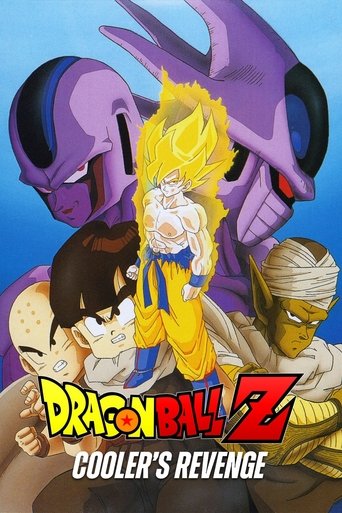
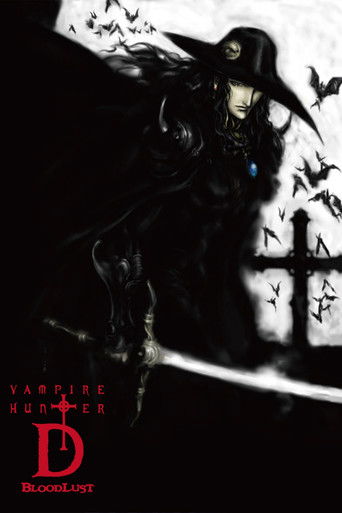
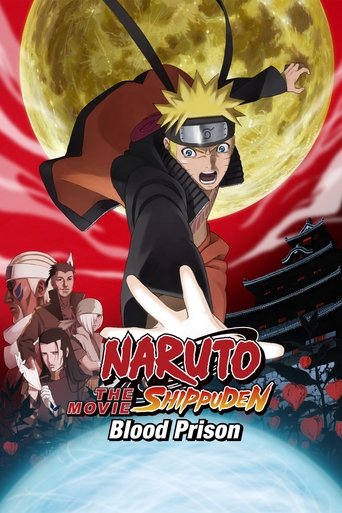
94ITV is mainly a live-action guide, and much of the country's animation lives on the anime guides of the Claude V2 family, but a few animated films sit on the Animated films shelf. My Neighbors the Yamadas, by Isao Takahata of Studio Ghibli, tells the everyday comedy of a Japanese family in soft watercolour sketches. Ocean Waves, a Ghibli film made for television, follows two friends and a new girl from Tokyo at a high school in Kochi. Vampire Hunter D: Bloodlust is a gothic action adventure with lavish artwork, and there are feature films from Dragon Ball Z and Naruto for fans of those series.
Subtitles and Japanese titles
Almost every Japanese drama and film on the official services comes with English subtitles, and the larger services add a dozen or more other languages. The original Japanese audio keeps the voices and rhythms the actors intended, which matter a great deal in comedies such as Legal High and in the soft-spoken dialogue of a Kore-eda film; some films also offer an English dub. The subtitles guide explains how to switch tracks in the player.
Many Japanese titles travel under more than one name. Fireworks is Hana-bi in Japan, The Full-Time Wife Escapist is widely known by its Japanese title, Nigeru wa Haji da ga Yaku ni Tatsu, and Midnight Diner is Shinya Shokudo. 94ITV lists both the English and the original title on every page, and the search box understands either, as well as the Japanese script, so you can paste a title straight from a Japanese website or a friend's message.
How Watch now works
Each title page has a country selector and a Watch now button. Choose your country, press the button, and JustWatch opens with the list of official services that carry the title where you live, grouped into subscription services, free services with adverts, and places to rent or buy. Pick one and the title plays in that service's own app or website. Your country choice is remembered for next time. The how to watch guide shows each step with the home page shelves as a starting point.
The services behind the guide
Japanese dramas and films reach viewers through a wide range of services. In Japan, the networks' own platforms and services such as U-NEXT, FOD, Hulu Japan and TELASA carry deep libraries of network dramas. Around the world, Netflix produces and carries many Japanese series and films, Prime Video, Crunchyroll and Viki carry many more, and Apple TV, Google TV and Prime Video rent and sell films. The where titles stream guide introduces them, and the Watch now button always shows the current options for your country.
Free ways to watch
There are several legal ways to watch Japanese titles at zero cost. In Japan, TVer streams recent episodes of network dramas free with adverts for a period after broadcast. In many other countries, free services with adverts carry Japanese films and some series, and public libraries in some countries offer film streaming to members. When you press Watch now, the free options appear beside the paid ones. The free Japanese dramas guide gathers the details.
Apps and devices
94ITV runs in any modern web browser, on a phone, a tablet, a laptop or a desktop computer, and it can be pinned to the home screen of a phone for one-tap access. The titles themselves play in the official apps of each service, which you can install from Google Play, the App Store, a games console or your television's own app store. Streaming sticks and boxes such as Fire TV, Google TV, Apple TV and Roku run the same apps on the big screen. The apps and devices guide has the details.
Following long series with My List
My List keeps the dramas and films you want to watch in one place. Press Add to My List on any title page, and the title appears on your list at once. For series, you can tick the episode you reached, which is especially handy for long-running shows such as AIBOU: Tokyo Detective Duo, with hundreds of episodes, or the seven seasons of Doctor-X: Surgeon Michiko Daimon. My List lives in your browser, so it stays private to you, and the Export and Import buttons move it to another device as a small file. The My List guide explains every button.
The official 94ITV site
The official 94ITV site has a warm grey page, a charcoal logo tile with the number 94 and the letters ITV beside an orange star, white-outlined fact cards, a row of charcoal tabs and dark rounded shelves of posters. Every Watch now button leads to JustWatch, and from there to the official services. The official site guide describes the design in detail, so you can always recognise the real 94ITV.
Streaming safely
A few simple habits keep streaming safe and pleasant. Install apps from Google Play, the App Store or your television's own store. Use a strong, different password for each service and switch on two-step sign-in where it is offered. Before you pay for anything, check that the address bar shows the real name of the service. 94ITV links only to JustWatch, and JustWatch links only to official services. The safety guide has a short checklist.
Is 94ITV working?
If a page seems slow, open the home page and then any title. If both appear, the site is running well, and a quick refresh, a cleared cache or another browser usually settles the rest. Playback itself happens on each streaming service, so its help centre is the best place for playback questions. The site status guide lists each step.
Privacy
94ITV keeps things simple. My List, your viewing country and your episode marks are stored in your own browser's local storage, where they stay under your control; clearing your browser data clears them too. The site loads the posters from TMDB, the site font and the small script that powers search and My List. The privacy page gives the full details.
How the catalogue is chosen
Every title on 94ITV was picked by hand. The shelves hold Japanese live-action dramas and films from 1985 to 2025, with a handful of animated films, chosen for their quality, their popularity with audiences and their place in the story of Japanese screen culture. Each title was screened individually, and the guide leaves sex-led and gore-led titles, variety programmes and reality formats to other corners of the web. Titles that already live on the other guides of the Claude V2 family, including most Studio Ghibli films and the big anime series, are left to those guides, so each site keeps its own character. Posters and production details come from TMDB, and the collections are grouped by theme, director and decade.
The story of 94ITV
The name 94ITV first belonged to a video app for Android, advertised on a simple grey landing page with a list of app details and a big download button. That page is preserved in the web archive, and it gave the new 94ITV its look: the grey page, the charcoal buttons, the outlined cards, the tab row, the timeline and the orange stars. The app itself is part of the past. The new 94ITV is an independent guide that points every visitor to the official services, with an editorial team that loves Japanese drama and film and wants to share it with as many people as possible.
Your first visit
On your first visit, start at the top of the home page. Read the fact cards to see what the shelves hold, then press the Dramas tab for the full list of series or the Films tab for the cinema. If you already know what you like, type a title, an actor or a director into the search box. If you would like a suggestion, the first shelf shows the most popular dramas, and the decade timeline offers a tour through forty years of Japanese screen stories. Save anything that catches your eye to My List, and when you are ready, press Watch now.
A drama weekend
A J-drama fits beautifully into a weekend. Choose a series of ten or eleven episodes, such as Unnatural, Quartet or The Full-Time Wife Escapist, and watch four or five episodes on Saturday and the rest on Sunday. The self-contained cases of Unnatural make natural pauses, and each episode still carries the larger mystery forward, so the final hour lands with real force. For a film weekend, pair a Kore-eda family drama with a Kitano gangster film, or a Rurouni Kenshin adventure with a Godzilla film, and enjoy how differently Japanese filmmakers see the world.
The four drama seasons
Japanese television runs on the calendar. New dramas begin in January, April, July and October, and each season has its flavour: winter dramas often lean towards romance and snowy landscapes, spring brings stories of new jobs and new school years, summer brings lighter comedies and school stories, and autumn tends to favour weightier dramas. Following the season as it airs is a pleasure of its own, and fans in Japan discuss each new episode the morning after. On 94ITV, the year under each poster shows when a drama first aired.
Theme songs
Theme songs are a vital part of a Japanese drama's identity, and many became enormous hits. Kenshi Yonezu wrote Lemon for Unnatural and Kanden for MIU404, and both became among the most-streamed Japanese songs of their years. Gen Hoshino's Koi, the theme of The Full-Time Wife Escapist, set off a dance that swept the country. First Love is built around two songs by Hikaru Utada, and Tokyo Love Story gave Kazumasa Oda one of the best-selling singles in Japanese history. Listening to the theme songs is a lovely way to remember a drama long after the final episode.
Questions
What is 94ITV?
94ITV is a guide to Japanese television dramas and Japanese films, from the trendy dramas of the 1990s to the newest series of 2025, with a Watch now button for every title that opens it on the official services in your country.
Is 94ITV an app?
94ITV is a website that works in any browser on a phone, tablet or computer, and it can be pinned to your phone's home screen like an app. Each title plays in the official app of the service you choose.
How do I watch a drama?
Open the title page, choose your country and press Watch now. JustWatch opens with the official services that carry the drama where you live, and you pick the one you prefer.
Do Japanese dramas have English subtitles?
Yes. The official services offer English subtitles for almost every Japanese drama and film, and many add other languages too.
Which drama should I start with?
Hanzawa Naoki, Unnatural, Legal High, Long Vacation and First Love are superb first choices, each with a strong story that pulls you in from the first episode.
Which film should I start with?
Shall We Dance?, Still Walking, Kikujiro, Departures and Shin Godzilla each show a different side of Japanese cinema at its best.
How long is a Japanese drama?
Most run for a single season of ten or eleven episodes of about an hour, which makes them easy to finish in a week or a long weekend.
How do I keep track of long series?
Add the series to My List and tick the episode you reached. Your place is kept in your browser for next time.
Can I move My List to another device?
Yes. Export My List to a small file, then import it on the other device.
Where do the posters and details come from?
Posters, backdrops and production details come from TMDB, and the guides and descriptions are written for 94ITV.